



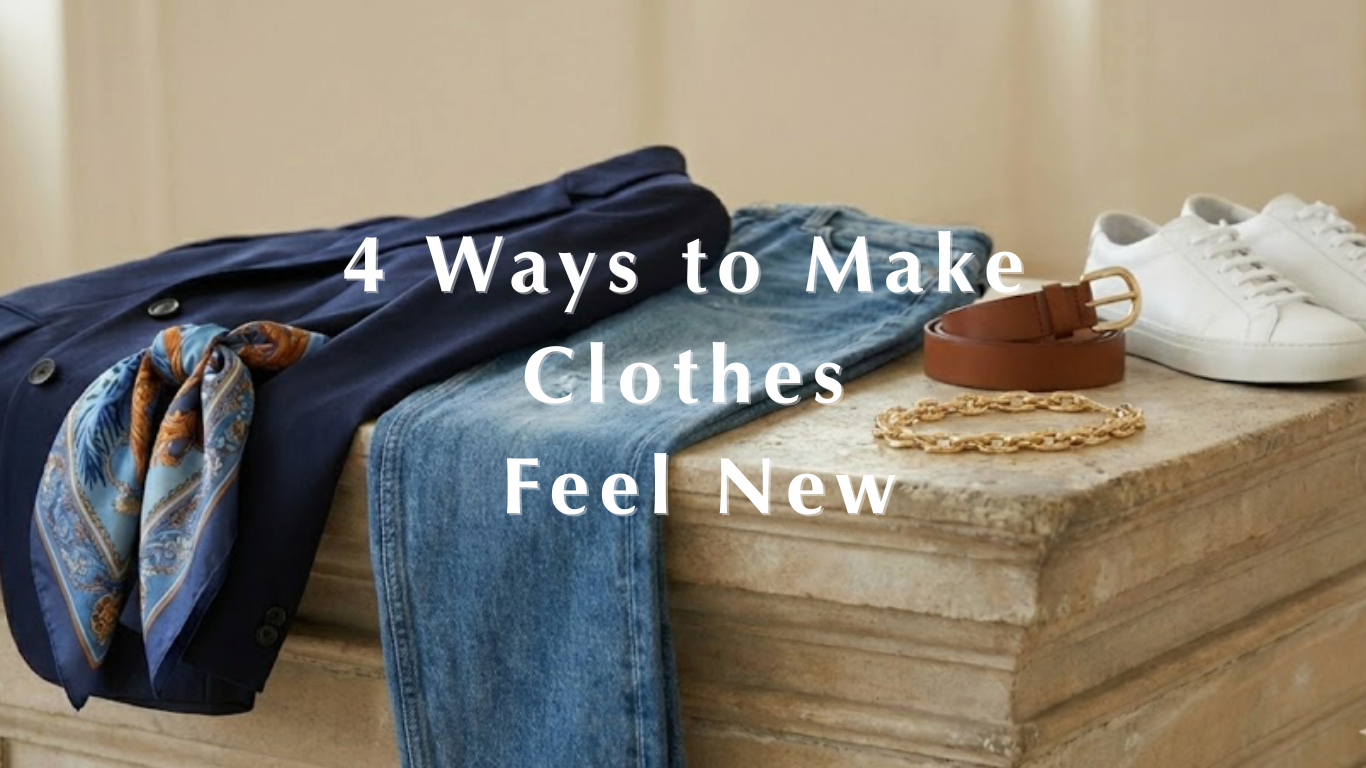
When clothes stop feeling right, the instinct is often to replace them.
But most wardrobes do not need more — they need attention.
Making clothes feel new again is not about dramatic change.
It is about small, deliberate interventions that shift how a piece behaves, feels, and communicates.
These four approaches focus on refinement rather than reinvention.
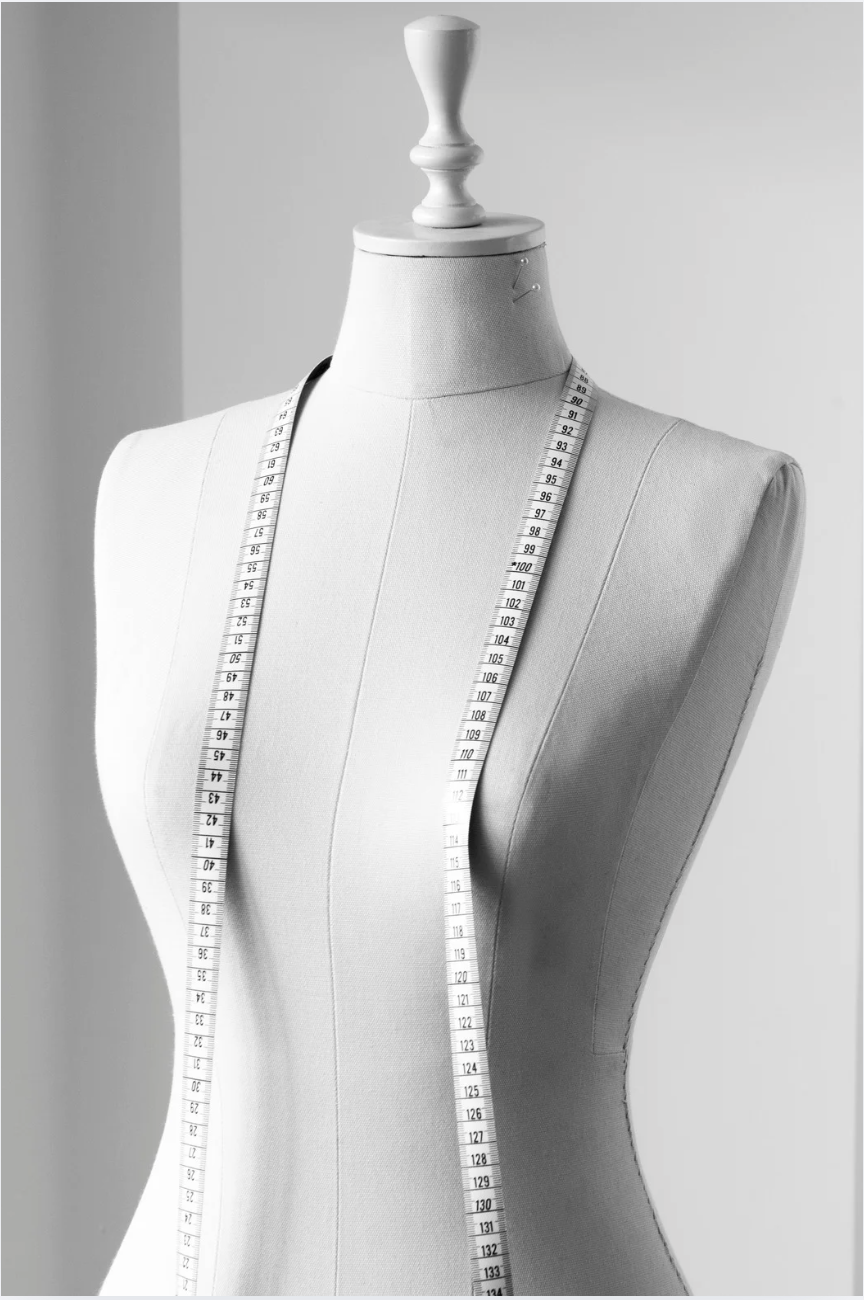
1. Adjust the Fit (Not the Piece)
Fit is the foundation of how clothing is experienced.
Garments that are slightly off — sleeves too long, trousers sitting just below where they should, shoulders not quite aligned — create discomfort, even if it is subtle.
Simple tailoring can recalibrate a piece entirely. When clothes sit correctly, movement becomes easier and posture improves. The result is not just visual — it is physical.
This is not about perfection.
It is about ease.
2. Refresh the Details
Details are often where clothes show their age first.
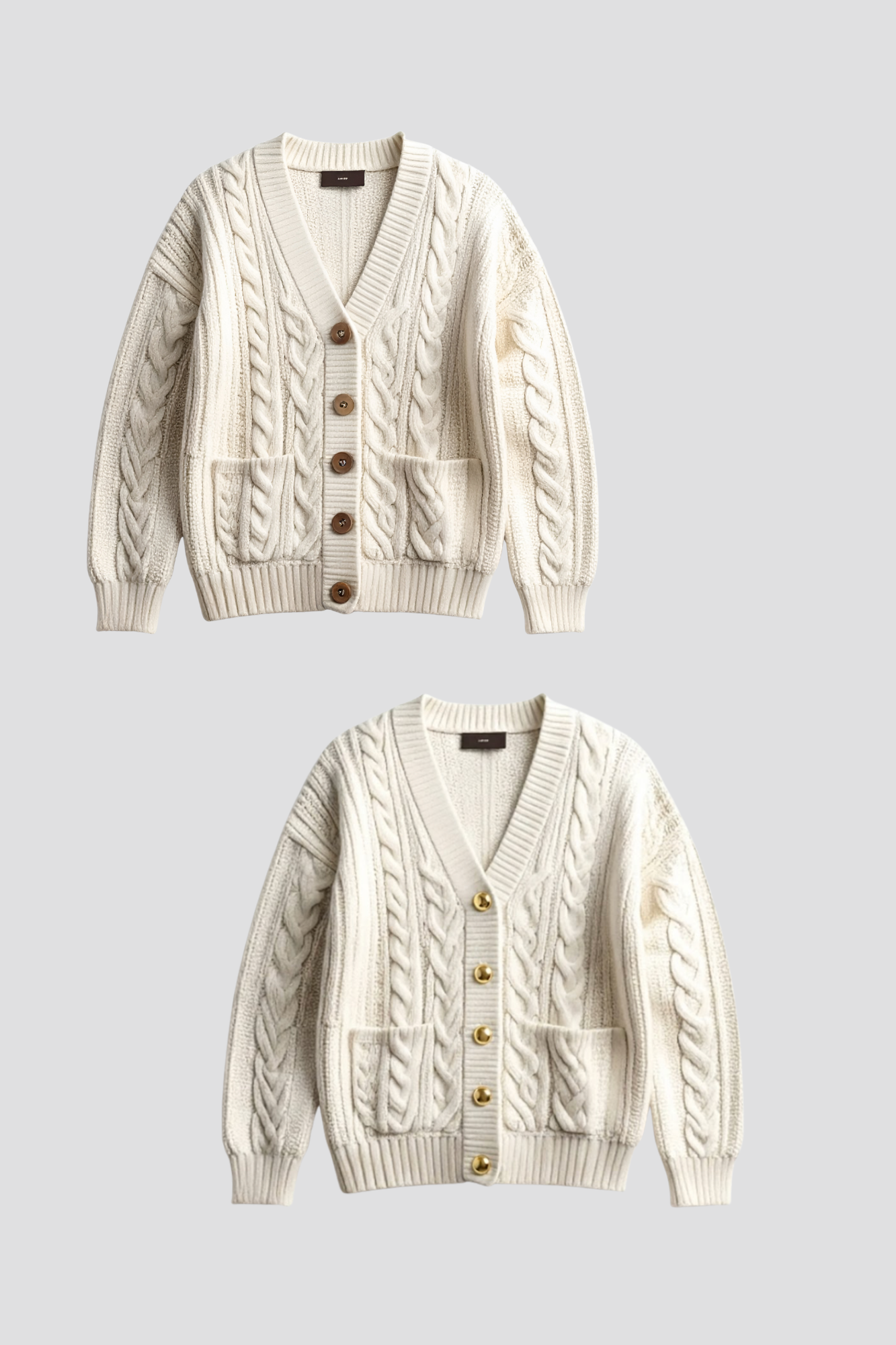
Buttons date faster than silhouettes. Fabrics lose sharpness. Colours soften in ways that feel tired rather than intentional.
Swapping buttons on a blazer, dyeing faded black garments, or restoring structure through professional pressing can shift a piece from “worn” to “considered” without changing its identity.
Details quietly define whether something feels current.

3. Restore, Don’t Replace
Some clothes don’t need styling — they need care.
Wool responds to steaming and brushing. Knitwear regains shape when washed and dried properly. Leather deepens and softens when conditioned. Even simple cotton pieces feel different after correct care.
Restoration is not maintenance for the sake of longevity alone.
It is how a garment regains presence.

4. Use Accessories as Strategic Modifiers
Accessories are often treated as decoration. In reality, they are tools.
A belt changes proportion.
Shoes shift the tone of an outfit immediately.
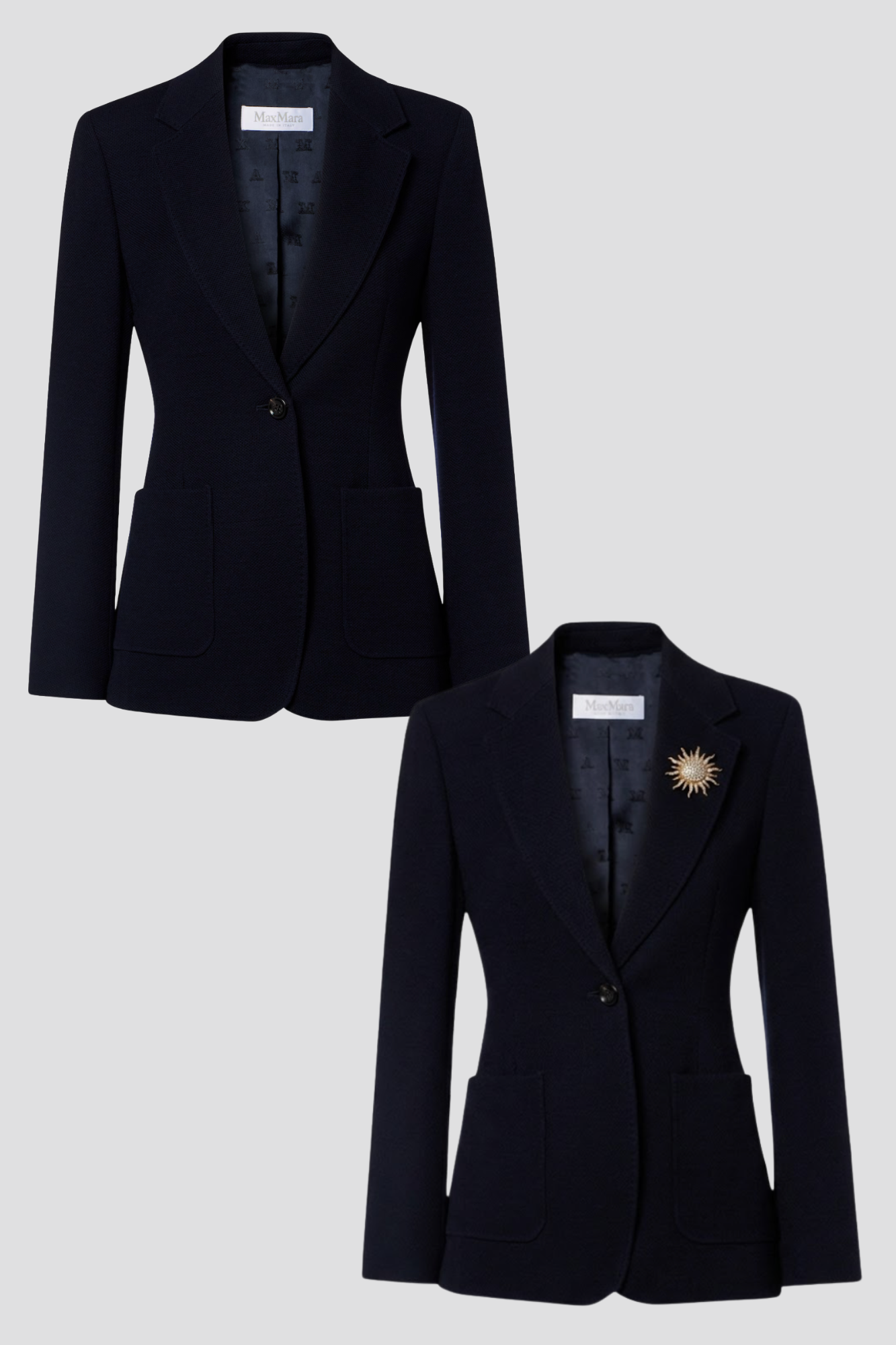
A pin on a blazer can introduce structure, personality, or direction without altering the garment itself.
A scarf — especially a silk one — reframes the entire look through colour, texture, and movement.
Worn at the neck, over the shoulders, tied to a bag, or layered under outerwear, a scarf can make a familiar piece feel intentional again. It adds depth without commitment and variation without clutter.
These small additions allow you to reinterpret a garment rather than replace it. They create multiple readings of the same piece while keeping the wardrobe coherent.
Accessories work best when they are deliberate — not excessive.
Making clothes feel new is not about novelty.
It is about clarity.
When you approach your wardrobe with intention, even familiar pieces can feel relevant again — not because they changed, but because you did.